Charter Schools Build Kindergarten Readiness Skills Before Day One
August 12, 2026
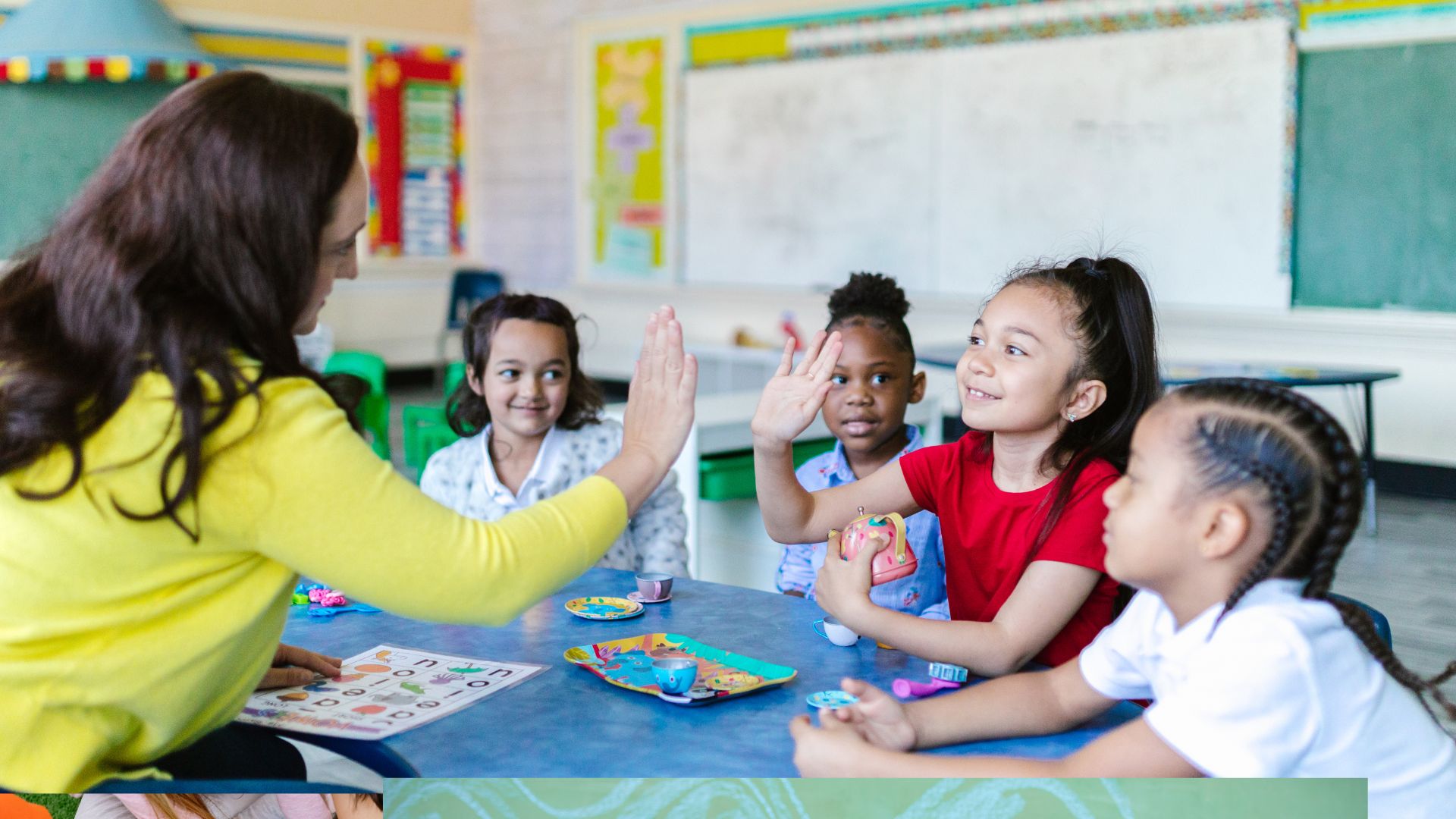
Starting kindergarten is a big deal. For many families, the weeks before that first day are filled with equal parts excitement and quiet worry. Is my child ready? Do they know enough? Will they fit in?
The good news is that kindergarten readiness is not a fixed bar your child either clears or misses. It is a set of developing skills – and with the right support, every child can walk through that door feeling prepared.
What Does Kindergarten Readiness Actually Mean?
Kindergarten readiness covers more than knowing the alphabet. A well-rounded checklist typically includes early literacy, basic numeracy, social skills, and the ability to follow simple directions.
Reading readiness, for example, is not just about recognizing letters. It involves understanding that words carry meaning, developing curiosity about print, and learning to listen attentively.
These are habits that build slowly, through consistent daily practice at home.
Social skills matter just as much as academics. A child who can take turns, express their feelings, and ask for help is far better positioned for classroom success than one who knows every letter but struggles to connect with peers.
California’s TK and Kindergarten Age Cutoffs, Explained
Before diving into skills, it helps to know the actual timeline. California requires a child to turn 5 by September 1 to enroll in kindergarten. If your child’s birthday falls after that date, Transitional Kindergarten (TK) is likely the better starting point.
Universal Transitional Kindergarten has expanded steadily over the past few years, and as of the 2026-27 school year, TK is available to every child who turns 4 by September 1, regardless of family income. TK is designed as the first year of a two-year kindergarten experience, built around the state’s TK learning foundations rather than kindergarten-level academic standards.
For many families, that extra year is exactly where readiness skills get built, through play-based learning, social routines, and early literacy exposure, without the pressure of a formal academic timeline.
How a Charter School Approach Supports Early Preparedness
At Horizon Charter Schools, the philosophy has always been that education works best when it is personalized. That same thinking applies to early childhood learning and kindergarten preparedness.
Rather than following a rigid program, Horizon partners with parents to identify where each child is developmentally and what kinds of learning experiences will serve them best. A credentialed supervising teacher works alongside your family to create a plan that fits your child’s actual pace and strengths.
This is not about rushing a child through a checklist. It is about building a genuine foundation.
Building Literacy Before the First Bell
Early literacy development is one of the strongest predictors of long-term academic success. When a child develops an early love of reading, problem solving becomes easier, writing begins to feel natural, and information retention improves across every subject.
Parents play a central role here. Reading aloud together, asking open-ended questions about stories, and pointing out words in everyday settings are all powerful tools that require no special curriculum or data-tracking system.
Horizon supports families with resources, parent mentors, and workshops designed to strengthen these early literacy habits before formal schooling begins.
Social and Emotional Skills Are Part of the Foundation
A child entering kindergarten is also learning how to be a student. That means developing patience, self-regulation, and the ability to work alongside others – skills that no standardized test can fully capture.
Charter school models that prioritize the whole child, like what Horizon offers through its supported home study and blended learning options, create space for this kind of growth. Social skills are not an afterthought. They are woven into every interaction.
A Kindergarten Readiness Checklist by Skill Area
Readiness is not one skill; it’s several developing at once. Here’s a breakdown of what typically shows up on a kindergarten readiness checklist:
Language and early literacy
- Listens to a short story and can answer simple questions about it
- Recognizes their own name in print
- Shows interest in letters, sounds, and rhyming words
- Speaks in short sentences and can be understood by unfamiliar adults
Math and reasoning
- Counts to 10 or beyond
- Sorts objects by color, size, or shape
- Recognizes basic shapes
- Understands concepts like more, less, big, and small
Social and emotional skills
- Takes turns and shares with other children
- Separates from a parent or caregiver without excessive distress
- Asks an adult for help when needed
- Begins to manage frustration without immediately escalating
Independence and self-care
- Uses the restroom independently
- Puts on and takes off a jacket or shoes
- Cleans up toys or materials after an activity
- Follows a two-step direction
Fine motor skills
- Holds a crayon or pencil with a developing grip
- Uses scissors with growing control
- Strings beads or completes simple puzzles
- Draws basic shapes or attempts to write letters
No child arrives with every box checked, and that’s normal. This list is a guide for where to focus attention, not a pass or fail test.
What Families Can Do Right Now
You do not need a formal program to start building kindergarten readiness skills. Some of the most effective preparation happens through ordinary daily routines.
- Read together every day, even if it is just one picture book.
- Encourage your child to express thoughts in complete sentences.
- Practice basic problem solving through simple games and puzzles.
- Create routines that build independence, like tidying up or getting dressed alone.
- Talk about feelings and give words to emotions.
These moments of intentional engagement accumulate. By the time the first day of school arrives, your child will carry that preparation with them.
Why Horizon Charter Schools Is a Trusted Partner for K-12 Families
Horizon has been building personalized learning experiences since 1993. As a fully accredited K-12 charter school and University of California A-G pathway school, Horizon brings credibility, experience, and genuine commitment to every family it serves.
The school’s model is built around the belief that parents are the most important educators in a child’s life. That belief does not stop at kindergarten. It carries through every grade level.
Frequently Asked Questions
What is the kindergarten age cutoff in California?
A child must turn 5 by September 1 to enroll in kindergarten in California. Children who turn 4 by that same date are generally eligible for Transitional Kindergarten instead.
Does my child need to know how to read before starting kindergarten?
No. Kindergarten teaches reading, it doesn’t require it going in. What helps most beforehand is exposure: being read to regularly, recognizing some letters, and showing curiosity about words and stories.
What’s the difference between TK and kindergarten readiness?
TK is a specific program, the first year of a two-year kindergarten experience for eligible 4-year-olds. Kindergarten readiness is the broader, ongoing process of building the skills a child needs to succeed once they start, whether or not they go through TK first.
How does a charter school’s approach to readiness differ from a traditional public school?
The core skills are the same. The difference tends to be in flexibility and pacing. A charter school built around personalized or home-based learning, like Horizon, can adjust the plan to a child’s actual developmental pace rather than a single fixed classroom timeline.
Building Kindergarten Readiness Skills with Personalized Support
Kindergarten readiness is not something that happens overnight. It is built day by day, through reading, conversation, play, and connection. A charter school approach that partners with parents – rather than replacing them – makes that process stronger for every child. If you are preparing your child for kindergarten and want guidance tailored to your family’s needs, explore Horizon Charter Schools’ study program to learn how personalized learning can give your child the best possible start.
Related Posts

Building Confident, Independent Learners at Home
October 15, 2026
By Heidi Polston, Supervising Teacher & Family Mentor As Home Educators, we naturally want to help our children when we see them struggling. Sometimes, though, one of the best ways we can…
Read More about Building Confident, Independent Learners at Home

Small Steps to Big Connections: Conversation Starters for Families
September 11, 2026
At Horizon Charter School, building a vibrant, supportive community is at the heart of everything we do. Through field trips, park days, and schoolwide activities, our ongoing goal is to create warm,…
Read More about Small Steps to Big Connections: Conversation Starters for Families

Grit, Determination, and Mentorship: A Horizon Success Story
September 11, 2026
Supervising teacher Jeff Quayle recently received a message from the mother of 2021 Horizon Charter Schools’ graduate, Nicholas Bevzyuk, reflecting on the quiet impact of dedicated mentorship. In school, Nick was not…
Read More about Grit, Determination, and Mentorship: A Horizon Success Story