How Charter Schools Build Character Development in Students
August 17, 2026
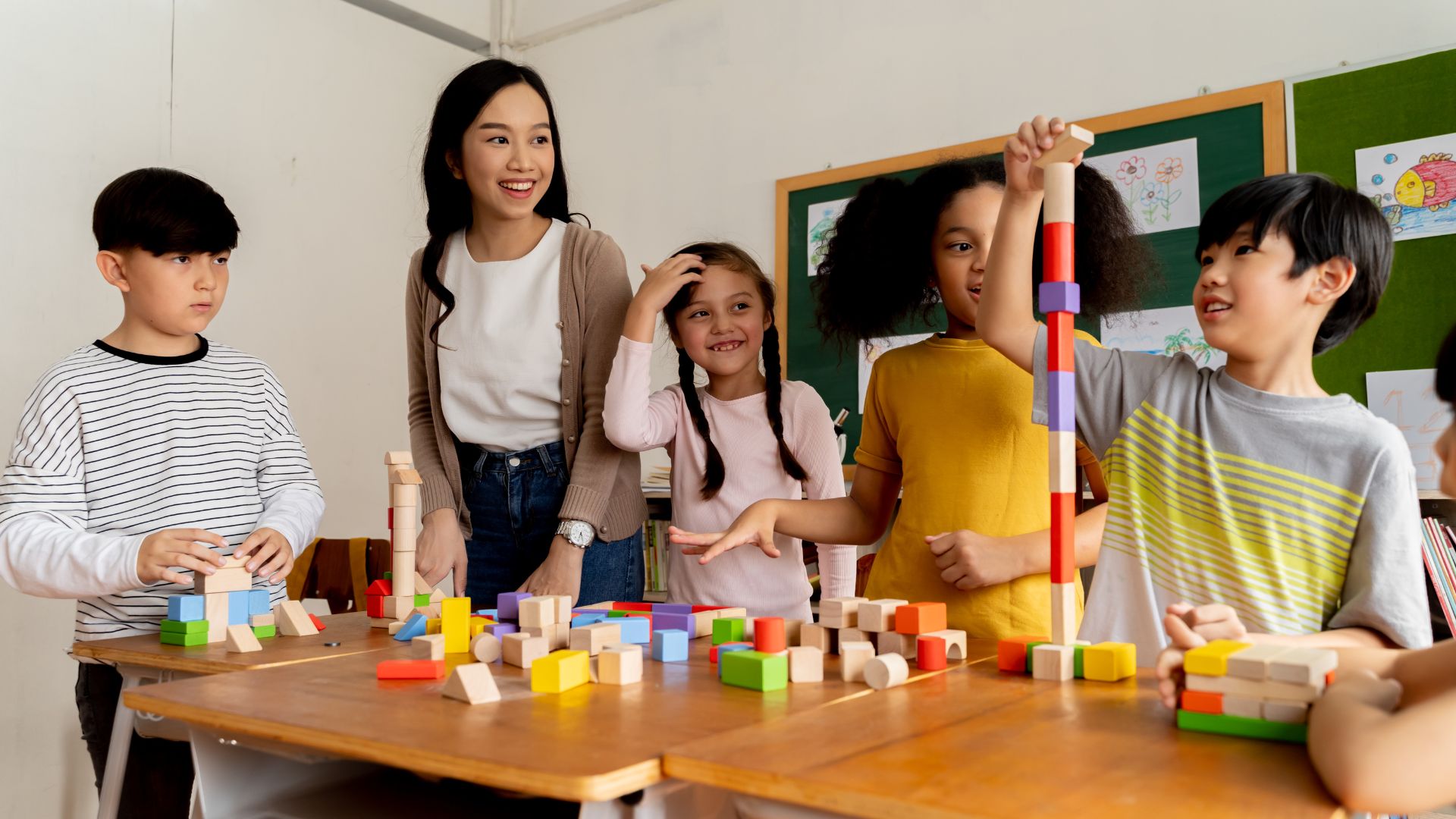
When parents start exploring school options for their children, academics usually top the list of priorities. Test scores, curriculum rigor, college readiness – these are the things that often drive the conversation. But more and more families are asking a deeper question: what kind of person will my child become through their education?
That question leads directly to character development. And if you’re considering a charter school, you might be wondering whether that kind of growth is actually baked into the experience – or if it’s something families have to handle entirely on their own.
The short answer is that it depends on the charter school, but at many well-run charter schools, character development isn’t an afterthought. It’s woven into the culture, the curriculum, and the relationships that make personalized learning work.
What Does Character Development Actually Mean in a School Setting?
Character development refers to the intentional process of helping students build qualities like responsibility, integrity, empathy, resilience, and self-awareness. It’s not about teaching kids what to think – it’s about helping them develop the habits and values that will guide how they act, both inside and outside the classroom.
In traditional school settings, character education sometimes gets reduced to a poster on the wall or a once-a-month assembly. But in schools where it’s taken seriously, it shows up in how students are treated, how conflicts are handled, and how much agency students are given in their own learning.
Charter schools, because of their flexibility and autonomy, often have more room to embed these values meaningfully throughout a student’s day.
How Charter Schools Approach Values-Based Learning
Charter schools operate under their own educational philosophies, and the best ones align their academic goals with a clear set of values. This is one of the differences between charter and public schools worth understanding – charter schools aren’t held to a one-size-fits-all model. They can build their entire approach around a specific mission, and when that mission includes character development, it shows.
At schools like Horizon Charter Schools in Northern California, the values aren’t just a statement on a website. They include accountability, integrity, respect, compassion, responsibility, and a genuine growth mindset. These aren’t abstract ideals – they’re principles that shape how students and educators interact every single day.
The Role of Relationships in Character Growth
One of the most underrated aspects of character development is the quality of the relationships students have with the adults in their school community. When a student feels seen, respected, and genuinely supported, they’re far more likely to internalize values like responsibility and empathy.
In personalized learning environments, smaller caseloads and ongoing communication between educators, parents, and students create the conditions for those relationships to flourish. Credentialed supervising teachers who know a student well can do far more to support character growth than a rotating roster of instructors who barely know a student’s name.
This relational model is one reason character development tends to thrive in charter schools with a strong community culture.
Is Social-Emotional Learning the Same as Character Development?
Not exactly – but the two are closely related. Social-emotional learning, or SEL, is a framework that helps students understand and manage their emotions, build healthy relationships, and make responsible decisions. It’s evidence-based and widely studied.
According to the Collaborative for Academic, Social, and Emotional Learning (CASEL), students who receive quality SEL instruction show improved academic performance, better behavior, and reduced anxiety and depression compared to peers who don’t.
Character development goes a step further. It’s not just about skills – it’s about values and identity. Who does this student want to be? What does it mean to be honest when it’s hard, or to show up for others when it’s inconvenient? These are questions that good schools help students wrestle with over time.
The best charter school environments bring both together, using SEL frameworks to build skills while cultivating a deeper sense of personal integrity and civic responsibility.
How Horizon Charter Schools Supports the Whole Student
Horizon Charter Schools has been supporting Northern California families since 1993, and the school’s approach has always centered on the whole child – not just academic outcomes. Their model recognizes that real education has to meet students where they are, which means attending to social, emotional, and personal growth alongside academics.
Parent involvement is central to that process. Because Horizon partners closely with home educators and families, character development doesn’t happen in isolation at school and then get ignored at home. It’s a shared conversation. Parents are supported through mentors, workshops, and resources designed to help families create learning environments that reflect their own values while also meeting educational standards.
Flexibility That Supports Personal Growth
Horizon offers several learning models – on-demand learning, blended learning, supported home study, and alternative home study. Each of these models creates different opportunities for students to practice self-direction, time management, and personal accountability. These aren’t soft skills. They’re the foundation of adult life.
When a student learns to manage their own schedule, set goals, and ask for help when they need it, they’re developing character in the most practical sense. Charter school education, done well, turns everyday learning tasks into opportunities for growth.
Community Values as a Guiding Framework
What sets Horizon apart is that its community values aren’t just marketing. Inclusivity, communication, trust, and compassion are embedded into how the school operates – how teachers communicate with families, how disagreements are handled, and how students are empowered to take ownership of their education.
That culture matters. Students absorb the norms of the communities they belong to, and when those norms reflect genuine respect and responsibility, students carry those lessons forward.
What Parents Should Look for When Evaluating a Charter School’s Approach to Character
Not every charter school prioritizes character development equally, and it’s worth doing your homework. When you’re evaluating a school, look beyond the academic stats and ask how the school talks about its values – and more importantly, how those values show up in practice.
Ask whether teachers build long-term relationships with students. Find out how the school handles conflict and supports students who are struggling not just academically, but personally. Look for signs that the school sees parents as genuine partners, not just stakeholders.
A school that takes character seriously will have clear, consistent answers to those questions. It won’t feel like a sales pitch – it will feel like a community that’s thought carefully about what it means to educate a whole person.
Why Character Development Matters in Charter Schools
Character development isn’t a luxury add-on to a good education – it’s part of what makes an education worth having. Charter schools that take their mission seriously recognize this, and they build environments where students grow not just as learners but as people.
If you’re weighing your options for your child’s education and want a school that takes both academic excellence and personal character seriously, it’s worth learning more about the advantages of attending charter schools and how a school like Horizon Charter Schools might be the right fit for your family.
Related Posts

Building Confident, Independent Learners at Home
October 15, 2026
By Heidi Polston, Supervising Teacher & Family Mentor As Home Educators, we naturally want to help our children when we see them struggling. Sometimes, though, one of the best ways we can…
Read More about Building Confident, Independent Learners at Home

Small Steps to Big Connections: Conversation Starters for Families
September 11, 2026
At Horizon Charter School, building a vibrant, supportive community is at the heart of everything we do. Through field trips, park days, and schoolwide activities, our ongoing goal is to create warm,…
Read More about Small Steps to Big Connections: Conversation Starters for Families

Grit, Determination, and Mentorship: A Horizon Success Story
September 11, 2026
Supervising teacher Jeff Quayle recently received a message from the mother of 2021 Horizon Charter Schools’ graduate, Nicholas Bevzyuk, reflecting on the quiet impact of dedicated mentorship. In school, Nick was not…
Read More about Grit, Determination, and Mentorship: A Horizon Success Story