Real Career Readiness for Students Starts Before Graduation Day
August 24, 2026
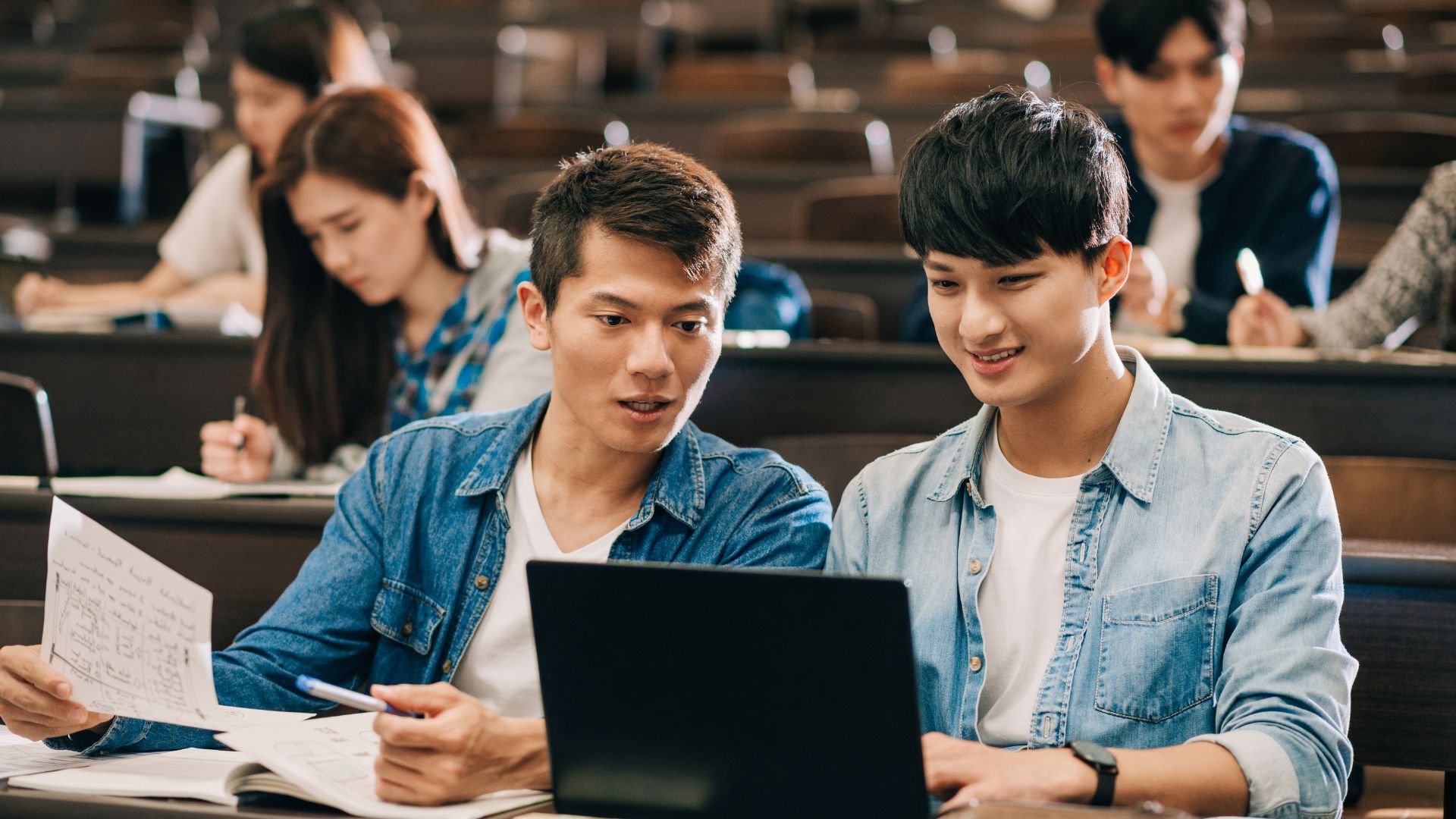
There is a common assumption that career readiness begins after a student walks across a stage and receives a diploma. The reality is very different. By the time graduation day arrives, the habits, skills, and knowledge that determine a student’s future success are already deeply formed.
For families navigating K-12 education, this matters enormously. The question is not just whether your child is earning good grades – it is whether your child is developing the critical thinking, communication, and problem-solving abilities that employers and colleges actually look for.
Why Career Readiness Cannot Wait Until Senior Year
Research from the National Association of Colleges and Employers consistently shows that employers want graduates who can think critically, work in teams, and communicate clearly – not just students who completed the right courses. These are not skills that appear overnight. They are built slowly, through intentional curriculum design, experienced teachers, and opportunities that go well beyond the textbook.
Secondary school is where the foundation gets laid. And if that foundation is shaky, no amount of tertiary education or last-minute workforce preparation will fully fix it.
The Gap Between Diplomas and Real-World Skills
Evidence points to a growing disconnect between what students learn in traditional school settings and what employment actually demands. A report from ACE (American Council on Education) found that many college graduates lack basic professional readiness, including the ability to manage their time, navigate organizational dynamics, or apply knowledge to real-world problems.
This is not a failure of individual students. It is often a failure of systems that prioritize test scores over genuine learning and memorization over application.
What Career Readiness Actually Looks Like in K-12
Authentic career readiness in K-12 education is not about stuffing a resume or attending a single career fair. It is about weaving real-world preparation into every stage of a student’s learning journey.
Here is what meaningful career readiness actually involves at the secondary school level:
- Critical thinking and problem solving – Students learn to analyze information, evaluate evidence, and draw thoughtful conclusions rather than just recall facts.
- Communication skills – Written and verbal communication, including English language proficiency, are practiced consistently and across subjects.
- Teamwork and leadership – Collaborative projects teach students how to function within an organization, manage conflict, and lead with empathy.
- Technology literacy – Students gain hands-on experience with tools used in modern workplaces, not just classroom software.
- Goal setting and self-direction – Learners develop the habit of setting personal goals and following through, which is foundational to any career path.
These are not extras. They are the core of what career readiness means.
The Role of the ICAP in Student Career Development
Many families are not familiar with the Individual Career and Academic Plan, commonly known as the ICAP. This planning tool helps students – often as early as middle school – begin mapping out their interests, skills, and educational goals.
An ICAP is not just paperwork. When used well, it becomes a living document that guides a student’s course selections, extracurricular involvement, and even internship or volunteer opportunities. It aligns with broader policy goals found in legislation like the Every Student Succeeds Act, which emphasizes preparing all students for college and career – with a strong focus on equity and reducing social exclusion in education.
Teachers and school counselors who are trained to support ICAP development become genuine stakeholders in each student’s future. They are not just instructors delivering content. They are experts helping young people navigate a complex world.
How Homeschool and Charter Models Support Career Readiness
Charter schools and homeschool programs have a unique opportunity to build career readiness more organically than traditional public schools. Because they are not locked into a rigid, one-size-fits-all curriculum, they can adapt learning experiences to match each student’s individual goals and interests.
At Horizon Charter Schools, students benefit from a flexible, personalized approach to education that supports career readiness from an early age. Families work alongside teachers and educational experts to craft a learning experience that develops real skills – not just academic credentials.
This model also makes it easier to incorporate experiential learning, including internship exposure, community service, and project-based work that builds the kind of portfolio and personal growth that colleges and employers notice.
Building Literacy Across Disciplines
Career readiness is often reduced to job shadowing or resume writing, but true literacy – across math, science, English language arts, and technology – is the engine behind it all. A student who reads critically, writes persuasively, and thinks quantitatively is prepared for a far wider range of opportunities.
At the K-12 level, this means every subject becomes a vehicle for building capability. A history lesson becomes an exercise in analyzing evidence. A science project becomes an exercise in research, teamwork, and presenting findings clearly.
How Families and Schools Can Partner to Prepare Students
Parents are not passive observers in this process. Organizations like the National PTA and ICAN have long advocated for stronger family engagement as a core component of student success. Research consistently shows that students whose families are actively involved in their education develop stronger communication skills, higher confidence, and better long-term outcomes.
Here is how families can actively support career readiness:
- Have regular conversations about your child’s interests, strengths, and goals – not just their grades.
- Ask their teacher or school counselor about ICAP planning and how you can participate.
- Connect learning to real-world examples, whether through community involvement, nonprofit organization volunteer work, or local professional networks.
- Encourage your child to take on leadership roles in group settings, even informal ones.
- Be a resource by sharing your own career experiences, including the challenges and thought processes behind decisions you have made.
Families who treat career readiness as an ongoing conversation, not a one-time event, raise students who arrive at the workforce with real confidence and capability.
What Employers and Colleges Are Really Looking For
When stakeholders in higher education and employment talk about what they want from young graduates, the list is surprisingly consistent. They want students who can think independently, collaborate effectively, adapt to new information, and communicate their ideas clearly.
The good news is that these are all learnable skills. The challenge is that they take time, practice, and the right kind of educational environment to develop. A flexible, student-centered learning model – whether through charter schooling or structured homeschooling – gives families more control over building that environment intentionally.
Why Career Readiness Starts Before Graduation
Career readiness is not a checkbox or a last-minute program. It is the result of years of intentional learning, thoughtful curriculum design, and strong partnerships between students, families, and educators. Students who develop critical thinking, communication, and real-world skills throughout their K-12 years arrive at college and the workforce ready to contribute and grow.
If you are exploring an educational path that prioritizes genuine student preparation, learn more about how Horizon Charter Schools supports lifelong learner success through a flexible, personalized approach to K-12 education.
Related Posts

Building Confident, Independent Learners at Home
October 15, 2026
By Heidi Polston, Supervising Teacher & Family Mentor As Home Educators, we naturally want to help our children when we see them struggling. Sometimes, though, one of the best ways we can…
Read More about Building Confident, Independent Learners at Home

Small Steps to Big Connections: Conversation Starters for Families
September 11, 2026
At Horizon Charter School, building a vibrant, supportive community is at the heart of everything we do. Through field trips, park days, and schoolwide activities, our ongoing goal is to create warm,…
Read More about Small Steps to Big Connections: Conversation Starters for Families

Grit, Determination, and Mentorship: A Horizon Success Story
September 11, 2026
Supervising teacher Jeff Quayle recently received a message from the mother of 2021 Horizon Charter Schools’ graduate, Nicholas Bevzyuk, reflecting on the quiet impact of dedicated mentorship. In school, Nick was not…
Read More about Grit, Determination, and Mentorship: A Horizon Success Story